The Importance of Representation for Hairstylists Today
In the world of hairstyling, representation matters more than ever. As the beauty industry evolves, the need for diverse voices and perspectives is crucial. Representation in hairstyling not only enhances creativity but also fosters inclusivity, allowing clients to feel seen and understood. This blog post explores the significance of representation for hairstylists today, examining its impact on creativity, client relationships, and the overall industry landscape.
## Understanding Representation in Hairstyling
Representation in hairstyling refers to the inclusion of diverse backgrounds, cultures, and identities within the industry. This encompasses not only the hairstylists themselves but also the products they use, the styles they create, and the clients they serve. When hairstylists reflect the diversity of their clientele, they can better understand and cater to their needs.
### The Impact of Diverse Representation
- **Cultural Sensitivity**: Hairstylists from various backgrounds bring unique insights into different hair types and textures. This cultural sensitivity allows for better service and more tailored hair care solutions. - **Creative Inspiration**: Diverse hairstylists contribute to a broader range of styles and techniques. This variety enriches the creative landscape of hairstyling, leading to innovative trends and fresh ideas. - **Client Trust**: Clients are more likely to trust hairstylists who understand their specific hair needs and cultural backgrounds. This trust fosters long-term relationships and encourages clients to return.
## The Role of Education and Training
Education plays a vital role in promoting representation within the hairstyling industry. Schools and training programs must prioritize diversity in their curricula to prepare future hairstylists for a multicultural clientele.
### Inclusive Curriculum Development
- **Diverse Hair Types**: Training programs should include modules on various hair types, textures, and styling techniques. This ensures that all hairstylists are equipped to handle a wide range of client needs. - **Cultural Competency**: Educators should incorporate lessons on cultural sensitivity and awareness, helping students understand the significance of representation in their work.
### Mentorship Programs
Establishing mentorship programs can also enhance representation in hairstyling. Experienced stylists can guide newcomers, sharing their knowledge and experiences while promoting diversity within the industry.
## The Importance of Representation in Marketing
Representation extends beyond the salon floor; it is also crucial in marketing efforts. Brands that prioritize diverse representation in their advertising resonate more with consumers and foster a sense of belonging.
### Authentic Representation
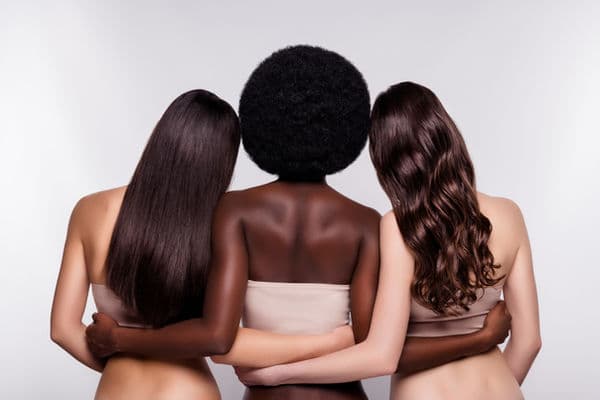
- **Real Stories**: Brands should showcase real clients and their stories, highlighting the diversity of hair types and styles. This authenticity builds trust and encourages clients to engage with the brand. - **Inclusive Campaigns**: Marketing campaigns should feature models of various ethnicities, ages, and hair types. This inclusivity sends a powerful message that all hair is beautiful and worthy of attention.
## Building Community Through Representation
Creating a sense of community is essential for hairstylists and their clients. Representation fosters connections and encourages collaboration among stylists from different backgrounds.
### Networking Opportunities
- **Diverse Events**: Hosting events that celebrate diversity in hairstyling can help build a supportive community. These gatherings provide opportunities for stylists to network, share ideas, and learn from one another. - **Collaborative Projects**: Encouraging collaborative projects among stylists can lead to innovative styles and techniques. By working together, hairstylists can showcase the beauty of diversity in their work.
## Challenges to Representation in Hairstyling
Despite the importance of representation, challenges remain within the hairstyling industry. Addressing these obstacles is crucial for fostering a more inclusive environment.
### Systemic Barriers
- **Access to Education**: Many aspiring hairstylists from underrepresented backgrounds face barriers to accessing quality education and training. Scholarships and financial aid can help bridge this gap. - **Industry Bias**: Some hairstylists may encounter bias based on their background or appearance. Combating this bias requires a collective effort from industry leaders and educators.
### The Need for Change
To promote representation effectively, the hairstyling industry must commit to ongoing change. This includes advocating for policies that support diversity and inclusion at all levels.
## Conclusion
Representation in hairstyling is not just a trend; it is a necessity. By embracing diversity, the industry can foster creativity, build trust with clients, and create a sense of community. As hairstylists, it is essential to advocate for inclusive practices and support one another in this journey. Together, we can shape a more representative and vibrant future for hairstyling.
The next step is to engage with your community, whether through education, mentorship, or collaboration. By doing so, you contribute to a more inclusive industry that celebrates the beauty of diversity.