Empowering Diverse Makeup Artists in Film and TV
The film and television industry has long been a platform for storytelling, creativity, and innovation. However, it has also faced criticism for its lack of diversity, particularly behind the scenes. Makeup artists play a crucial role in bringing characters to life, yet many talented individuals from diverse backgrounds struggle to find opportunities in this competitive field. This blog post explores the importance of empowering diverse makeup artists in film and TV, the challenges they face, and actionable steps to create a more inclusive environment.
## The Importance of Diversity in Makeup Artistry
Diversity in makeup artistry is not just a matter of representation; it significantly impacts storytelling and audience engagement. When makeup artists from various backgrounds contribute to a project, they bring unique perspectives and cultural insights that enhance character authenticity. Here are some key reasons why diversity matters in this field:
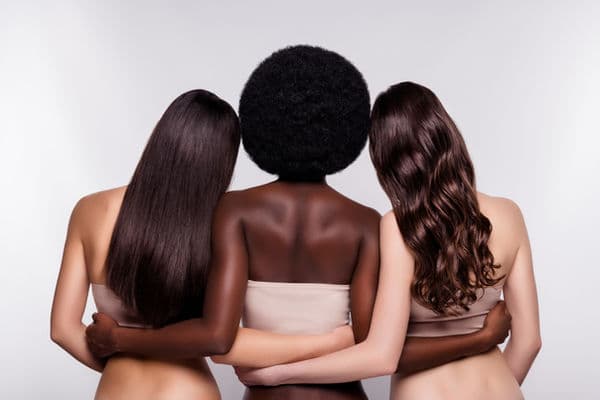
- **Authentic Representation**: Diverse makeup artists understand the nuances of different skin tones, textures, and cultural aesthetics. This knowledge is vital for accurately portraying characters from various backgrounds. - **Broader Audience Appeal**: Films and TV shows that reflect diverse experiences resonate more with audiences. This connection can lead to increased viewership and box office success. - **Innovation and Creativity**: A diverse team fosters creativity. Different viewpoints can lead to innovative makeup techniques and styles that push the boundaries of traditional artistry.
## Challenges Faced by Diverse Makeup Artists
Despite the clear benefits of diversity, many makeup artists from underrepresented communities encounter significant barriers in the industry. Some of the most common challenges include:
### Limited Access to Opportunities
Many aspiring makeup artists lack access to networks and resources that can help them break into the industry. This is particularly true for those from marginalized communities who may not have connections to established professionals.
### Stereotyping and Bias
Diverse makeup artists often face stereotypes that can limit their opportunities. For instance, they may be pigeonholed into specific roles or genres, such as only working on projects that feature characters of their own ethnicity.
### Lack of Representation in Leadership
The makeup departments in many film and TV productions often lack diversity in leadership roles. This can result in a homogenous approach to makeup artistry, which may not consider the needs of diverse characters.
## Steps to Empower Diverse Makeup Artists
Creating a more inclusive environment for makeup artists requires intentional efforts from industry stakeholders. Here are some actionable steps that can be taken:
### 1. Establish Mentorship Programs
Mentorship programs can provide aspiring makeup artists with guidance and support from experienced professionals. These programs should focus on connecting diverse talent with mentors who can help them navigate the industry.
### 2. Promote Inclusive Hiring Practices
Production companies should prioritize inclusive hiring practices by actively seeking out diverse makeup artists for their projects. This can involve outreach to community organizations, schools, and training programs that focus on underrepresented groups.
### 3. Provide Training and Resources
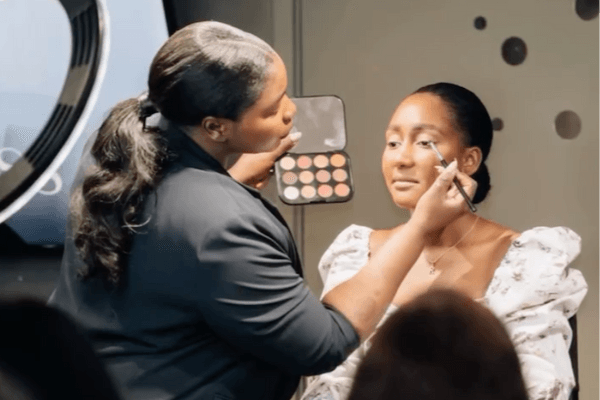
Offering training programs that focus on diverse makeup techniques can help bridge the skills gap. Workshops that cover a range of skin tones, textures, and cultural aesthetics can empower makeup artists to excel in their craft.
### 4. Advocate for Representation in Leadership
Industry leaders should advocate for diversity within their teams, particularly in leadership roles. This can create a more inclusive environment where diverse perspectives are valued and considered in decision-making.
### 5. Celebrate Diverse Talent
Highlighting the work of diverse makeup artists through awards, showcases, and social media can help raise awareness of their contributions. Celebrating their achievements can inspire others and encourage more inclusive practices.
## Conclusion
Empowering diverse makeup artists in film and TV is essential for creating authentic and engaging stories. By addressing the challenges they face and implementing actionable steps to promote inclusivity, the industry can benefit from the rich perspectives and creativity that diverse talent brings. As we move forward, it is crucial to celebrate and support the contributions of diverse makeup artists, ensuring that their voices are heard and valued in the world of film and television.
The journey toward inclusivity is ongoing, but with collective effort and commitment, we can create a more equitable environment for all makeup artists. Let's work together to build a future where diversity is not just an aspiration but a reality in the film and TV industry.